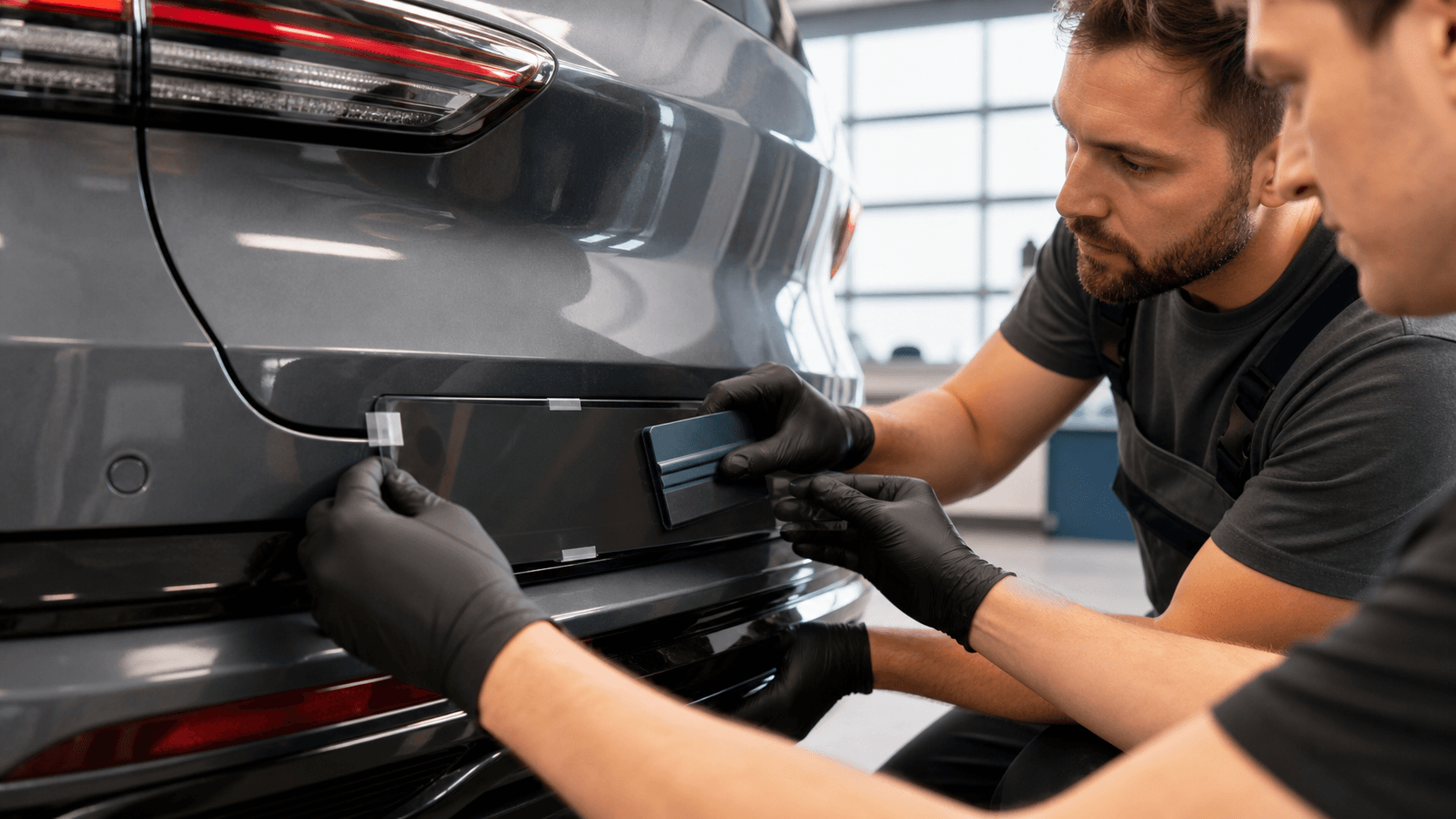
Smooth Fit, No Gaps: Why Curved Bumpers Need a Better Fix
Curved bumpers look great, right up until you try to fit a flat number plate to them. The ends kick out, the middle bows in, and suddenly your sleek front end is ruined by wonky plastic and ugly gaps. It is even worse when you have invested in bespoke number plates and want every angle of the car or bike to look sharp.
At South West Number Plates, we see this problem all the time on performance cars, hot hatches and bikes with sculpted bumpers. This guide walks through why traditional fixings struggle, how our magnetic plate holders work with the curve instead of against it, and a clear, step-by-step way to get a smooth, road-legal fit using our Magnetic Number Plate Kit (Single) or Magnetic Number Plate Kit (Set).
Why Traditional Fixings Struggle on Curved Bumpers
Most standard fitting methods still assume your bumper is fairly flat. Sticky pads and screws try to force a straight acrylic plate to sit on a curved surface, which instantly creates tension. The plate wants to stay flat, the bumper wants to stay curved; the result is a constant tug of war between the two.
The typical issues are very familiar:
- Gaps at the plate ends where the bumper curves away
- A warped look where the middle of the plate sinks into the bumper
- Stress on the acrylic that can lead to hairline cracks over time
- Pads gradually giving up, so one side starts to work loose
Drilling is not much better. Misjudged holes leave a plate sitting off-level, and once you have drilled, you are committed. Extra holes or re-positioning can leave a messy pattern under the plate and, if you change plates later, you are stuck working around old damage. None of that sits well when you have paid for bespoke number plates and want a factory-fresh appearance.
Magnetic mounts approach the problem differently. Instead of forcing the plate to curve, they let it sit naturally along the bumper, held securely without twisting or over-tightening. The result is a cleaner look, with less stress on both plate and paint.
How Magnetic Plate Kits Create a Flush, Curved Fit
Our Magnetic Number Plate Kit (Single) and Magnetic Number Plate Kit (Set) are designed specifically to give a neat, reversible fitting option without screws or traditional pads. The idea is simple: strong magnets bond to the back of your plate, and steel backing strips bond to the bumper. The two meet securely, but the plate is free to follow the natural shape of the bumper.
The Magnetic Number Plate Kit (Single) is aimed at fitting one plate, while the Magnetic Number Plate Kit (Set) is for those who want to sort both front and rear in one go. Each kit is built around the same principle:
- Steel backing strips that stick to your bumper
- Powerful magnets that attach to your number plate
- Adhesive pads or tape designed to hold everything in place
Once installed, the magnets grip the backing strips firmly, replacing the need for screws or thick pads. Because there is no fixed mechanical point forcing the plate into a single shape, it can sit evenly from one end to the other. For enthusiasts, this has three big advantages: the styling is much cleaner, plates can be removed easily for shows or track use if you wish, and the hold is secure enough for everyday driving.
Step-by-Step Guide to Fitting Plates on a Curved Bumper
Getting a flush fit on a curved bumper is all about patience and preparation. Here is a straightforward approach using our magnetic kits.
Start with a proper clean. Wash and dry the bumper where the plate will sit, then wipe the area with a suitable cleaner to remove any wax, polish, or road film. Do the same on the back of your bespoke number plates so the adhesive has a clean surface to bond to. Hold the plate in place by hand to check how the curve behaves and decide exactly where you want it to sit.
Next, fit the bumper backing strips:
- Use masking tape and a spirit level or a careful eye to mark a straight line
- Test the steel strips against the back of the plate to judge spacing
- Peel the adhesive backing and press the strips firmly onto the bumper along your line
Once fitted, leave the strips to cure according to the adhesive instructions. Rushing this stage is one of the main reasons plates come loose later, so give the adhesive time to settle.
Then attach the magnets to your plate. Place the plate against the bumper so you can see where it wants to make contact along the curve. Position the magnets so they line up with the steel strips, spacing them so that pressure is spread evenly across the plate. You want full, flat contact with the back of the plate, not magnets sitting at an angle, or you risk distortion.
Finally, clip the plate on and check the alignment. Look for any light showing at the ends or along the bottom edge. If there is a small gap, adjust the magnet positions slightly to pull that area tighter against the bumper. Take your time here: small tweaks make a noticeable difference to the final look.
Avoiding Common Mistakes with Magnetic Plate Kits
Most problems with magnetic setups come from rushing the install rather than the magnets themselves. A few common issues are easy to avoid if you know what to watch for.
Typical mistakes include:
- Skipping a proper clean before sticking the strips or magnets
- Ignoring curing times and driving off straight after fitting
- Guessing alignment instead of marking a straight reference line
- Mixing magnets with extra pads or screws that twist the plate out of shape
To protect paint, avoid dragging the plate sideways when removing it. Instead, lift it gently from one edge so the magnets separate without scraping. When refitting, let the magnets pull the plate into position rather than forcing it.
Legally and for safety, your bespoke number plates still need to be clearly visible, upright and at a sensible angle. Once fitted, stand back and check:
- The plate is level and centred
- Letters and numbers are unobstructed
- The angle does not tip the plate excessively up or down
If your bumper curve is particularly aggressive and you still see a slight gap, try adding an extra magnet in the problem area or repositioning one to even out the pull. Check that both the magnets and steel strips are clean: a layer of dirt can be enough to interfere with the connection and make the plate feel loose.
Care, Maintenance and Styling Tips for Your New Setup
Once your magnetic kit is in place, day-to-day care is simple. Clean carefully around the edges of the plate and over the bumper strips using a soft cloth or wash mitt, without scrubbing at the adhesive. The magnets themselves can be wiped occasionally to keep them free of grit.
One of the nicest perks of a magnetic setup is flexibility. Enthusiasts who like to run different bespoke number plates for shows, track days or different looks can swap plates more easily, as long as they are set up with compatible magnet positions. The bumper backing strips stay hidden behind the plate, so the car or bike still looks tidy when plates are off temporarily where this is appropriate and allowed.
Styling wise, magnetic holders complement a range of plate designs, from standard road-legal layouts to more performance-oriented bespoke number plates where the details matter. A smooth, gap-free fit makes the plate look like it belongs on the car, not like an afterthought stuck on top.
Installed correctly, magnetic plate kits offer a durable and weather-resistant solution. The key is giving the adhesive a clean surface, proper pressure and enough time to bond fully. Once that is done, you have a neat, reversible way to mount plates on curved bumpers without the usual compromises.
Transform Your Vehicle With Bespoke Plates That Suit Your Style
Upgrade your electric vehicle with our high-quality bespoke number plates designed to meet legal standards while reflecting your personal taste. At South West Number Plates, we carefully craft each plate to match your exact specifications, from finish to fitting. If you have any questions or need guidance before ordering, simply contact us and we will help you choose the right option for your car.