Make Your Plates Pop Without Inviting Blue Lights
Pulling away from a meet-up or heading off on a long drive, the last thing you want is blue lights in the mirror just because of your plates. Many drivers feel that frustration when they know they ordered road-legal number plates, yet still get stopped for a quick 'plate check'.
Custom styles like 3D, 4D, HEX, import sizes and EV plates are more popular than ever. Enthusiasts are pushing style closer to the limits of the rules, and most of the time that is absolutely fine. The trouble is that what is legal on paper is not always how it looks to a passing officer on a busy road.
Road legality is not only about the receipt you got when you bought your plates. It is about how they look on the car or bike, in motion, in bad light, in rain, or when they are a bit dirty. If something makes the plate harder to read at a glance, it can draw attention, even if it is technically within the rules.
What Road Legal Really Means on UK Roads
In simple terms, a road-legal number plate in the UK has to follow set rules on size, spacing and layout. The letters and numbers must be a standard height and width, with set gaps between them and around the edge of the plate. That clear, even spacing is what cameras and officers are trained to recognise.
There must be:
- Correct character size, spacing and margins
- A reflective yellow rear and reflective white front
- No tinted cover over the face of the plate
- The standard UK font and correct colours front and back
A legal plate will usually have the right markings to show it meets the current British Standard. That includes the manufacturer details and a code that relates to the standard for strength and reflectivity.
Show plates are different. They are made for static display, photo shoots or off-road use. Things like:
- Fun fonts or coloured letters
- Heavy tints or smoked covers
- Extra graphics or logos in the wrong place
These might look amazing at a meet, but out on the motorway they are likely to attract attention.
There are also grey areas. 3D gel and 4D acrylic characters, HEX or shaped plates, smaller import-style plates and green flashes on EV plates can all be fine when:
- The font is still the standard UK style
- The size and spacing follow the rules
- The reflective area and margins are kept clear
When they are made properly, these custom styles can be both legal and stylish. When the details slip, they can tip over into trouble.
Five Common Plate Details That Trigger a Stop
Often it is not the idea of a 3D or 4D plate that causes a problem, but small details that change how it looks in real traffic.
- Character spacing and alignment
If the characters are pushed a few millimetres closer together, or spaced oddly, it can look like you are trying to change the registration. With raised letters, even slightly crooked placement or mixed sizes can make the plate look suspect to:
- ANPR cameras trying to read it
- Officers used to seeing standard layouts
- Borders, badges and tints
A thin border is usually fine, but very thick borders or unusual box designs pull the eye away from the characters. Add in:
- Dark surrounds or smoked covers
- Non-standard graphics or flags in the wrong place
- Extra wording crowding the edges
and the plate starts to look less like a legal item and more like a showpiece, which can prompt a closer look.
- Visibility in real life
On a sunny day, at dusk or in heavy rain, clarity matters. Even good plates can look hard to read if:
- They are covered in dust, mud or bugs
- There is a dark cover or heavy frame around the edge
- The reflective backing is tired or patchy
Anything that makes an officer think 'I cannot quite read that' is a reason to pull you over.
- Cheap materials and poor finish
Low-quality plates can fade, peel and crack quickly. Common issues include:
- Delaminating fronts that trap moisture
- Raised letters lifting at the corners
- Reflective backing losing its brightness
Even if that plate was road-legal when you bought it, once it looks tired or tampered with, it can give the wrong impression.
When Legal Plates Look Suspicious to Police
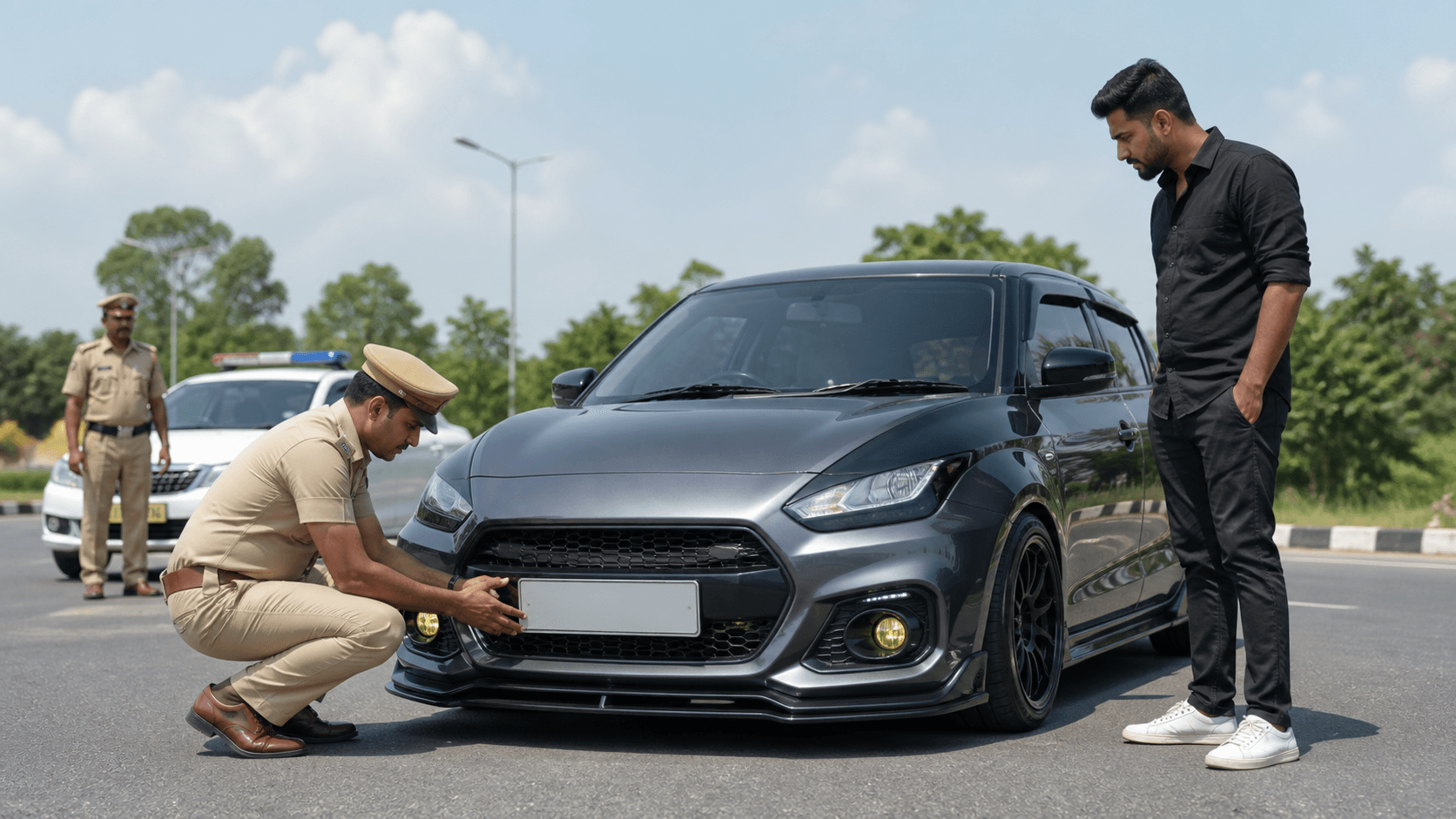
Police officers have only a second or two to decide if a plate looks right as a car or bike passes. On a busy summer weekend, with lots of modified cars on the road, anything that looks even slightly off can stand out more than usual.
ANPR cameras also have to read plates in all conditions. Highly stylised raised characters, extreme HEX cut-outs or badly placed screws can cause:
- Misreads that do not match the vehicle
- Gaps or dots that make letters look like different ones
- Alerts that flag the plate for manual checking
Then there is the car and plate combination. A loud exhaust, wide wheels, a big rear wing or a slammed stance already draw the eye. If the plate is right on the edge of legality, it can be the extra detail that leads to a roadside chat, even if everything measures up when checked.
How to Keep Custom Plates Stylish and Stress Free
You do not have to give up style to keep things calm and legal. The trick is choosing the right spec for the way you use your vehicle.
For many drivers it helps to have:
- A fully compliant everyday set for commuting and long trips
- A more aggressive show set kept for static events and private land
That way your road-legal number plates stay clean, clear and easy to read in real traffic, and you still enjoy a wilder look when it suits.
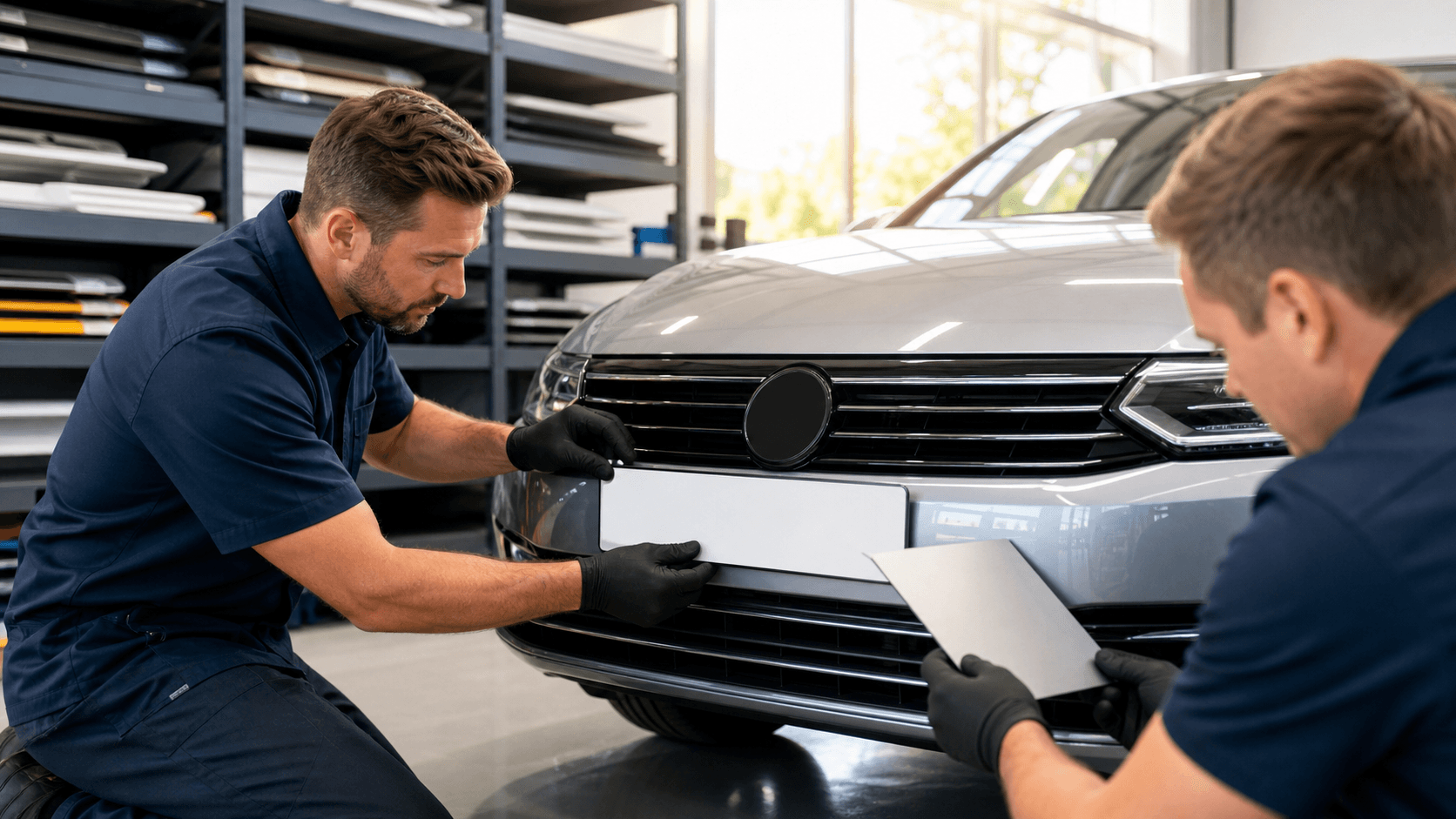
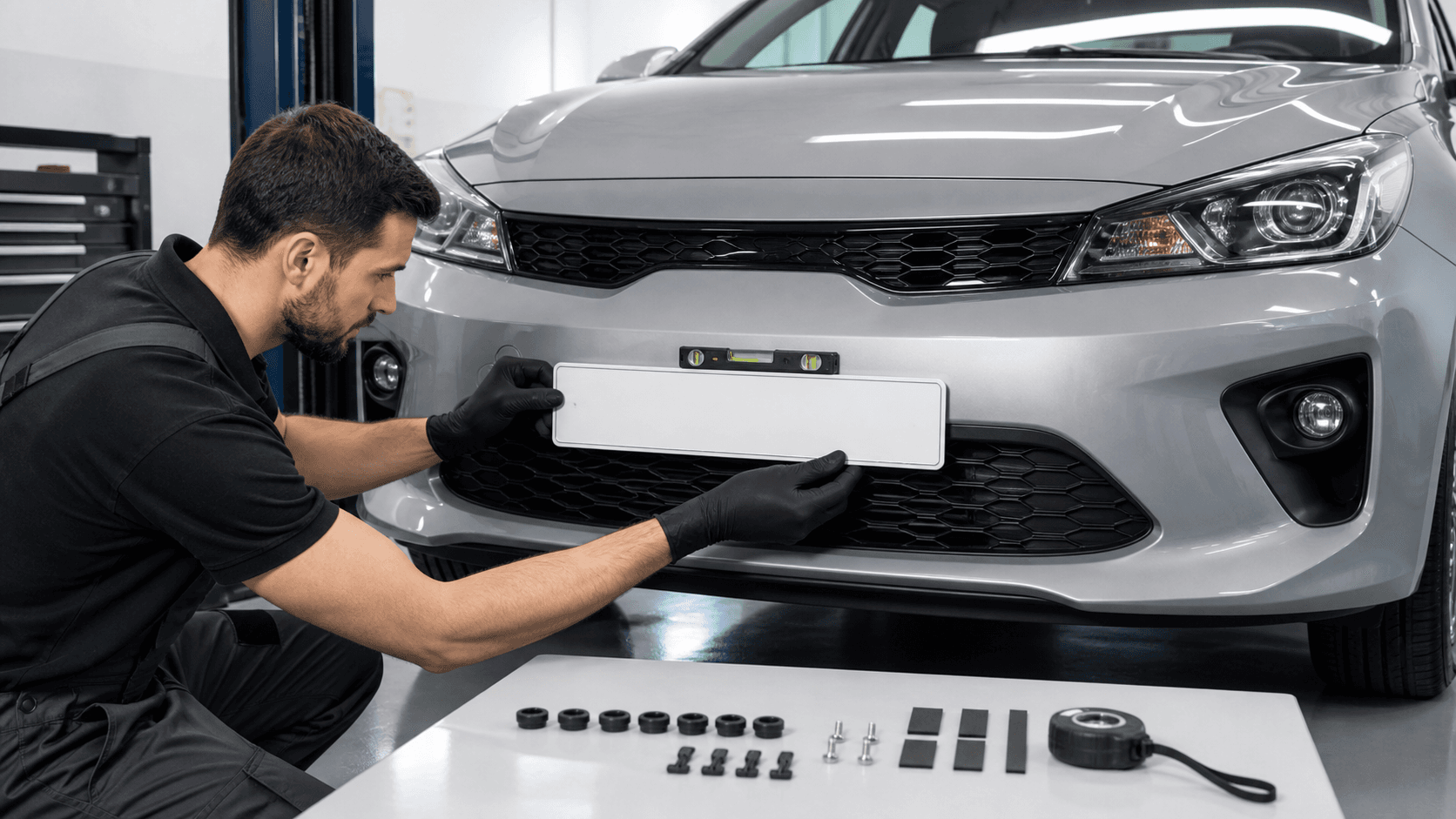
Working with a specialist plate maker is also important. A good supplier will focus on:
- Correct font, spacing and layout
- Proper markings and reflective backing
- Quality materials that do not fade or peel quickly
When plates are designed with performance and clarity in mind, they look sharper on the car and are less likely to raise questions.
Thinking about long-term visibility also helps. Small choices like gloss level, character depth and contrast make a big difference in rain, at night or under bright street lights. You want your plate to be bold, but also instantly legible from a distance.
Simple Checks Before Your Next Summer Road Trip
Before a long drive, a quick plate check at home can save hassle later. Take a moment to:
- Wipe both plates clean and check they are firmly fixed
- Look for cracks, chips or lifting characters
- Make sure there are no tinted covers or stickers over any part of the registration
- Check that spacing and margins look even to the eye
If something looks odd to you on the driveway, it will probably look odd to an officer at 60 mph.
Season by season, plates pick up grime and wear. Regular washing and a quick visual check keep them looking sharp and readable for cameras and humans. If you notice fading reflectivity, damaged edges or characters that will not sit flat, it may be time to replace them with a fresh, well engineered set.
At South West Number Plates in Bristol, we focus on bespoke, performance-focused plates that balance style with clear legality. When older plates start to look tired or questionable, upgrading to a carefully designed 3D, 4D, HEX, bike, EV or import plate can bring back both confidence and character, without inviting extra blue light attention.
Upgrade Your Vehicle With Fully Compliant Plates Today
Choose South West Number Plates for expertly made road-legal number plates that meet current UK regulations and suit your vehicle's style. We'll guide you through the short ordering process so you get plates that look smart and pass any roadside or MOT checks. If you have any questions or need a bespoke request, simply contact us and we'll help you get everything sorted quickly.