Owning an imported car in the UK is great fun, right up until you start dealing with number plates. Between DVLA rules, oddly sized recesses and show styling, it can get confusing very quickly. Get it wrong and you risk fines, being stopped by the police and MOT headaches. Get it right and your car stays legal and looks the part at every meet and road trip.
In this guide, we are going to break down how import car number plates work in plain English. We will cover how imports are classified, what the law says, how to fit plates to awkward bumpers and how to balance legal plates with show plates. By the end, you should feel clear on what you can run on the road and what should stay for off-road use only.
Drive Your Imported Car Legally and in Style
Japanese performance imports, US classics and European hot hatches are a common sight on UK roads now. They stand out in a car park, but they also bring quirks, and the number plate area is one of the first things owners hit.
Many imports arrive with:
- Non-UK sized recesses
- Foreign mounting holes
- Old export plates still fitted
- Temporary UK plates stuck on badly
That mix can lead to plates that look messy, rattle at speed or fail a roadside check. Late spring and summer are when many imports first get used properly, with long drives, track sessions and show season. So it is a smart time to sort plates that look clean, sit right and keep you out of trouble.
What Counts as an Imported Car in the UK
Not every import is the same. The way your car entered the country affects the paperwork and, in turn, the plate it should wear.
You will commonly hear:
- Parallel imports: Cars built for another market but sold through a proper channel, often similar spec to UK cars.
- Grey imports: Cars brought in outside official routes, like many JDM models that never had a UK version.
- Personal imports: Vehicles brought back by an individual from living or working abroad.
DVLA looks at where the car was first registered and how old it is. That is how they decide:
- Whether you get an age-related plate, a current-style plate or, in rare cases, a different format
- Which MOT rules apply, especially for things like lights and emissions
- How the car is described on the logbook that links to your registration mark
Knowing exactly what type of import you own helps when you register it, talk to your insurer and order plates that match the mark you have been given.
UK Law for Import Car Number Plates
Once your import has a UK registration, the legal rules for plates are mostly the same as any other car.
Key points include:
- Character style: You must use the standard UK font, no custom scripts or squeezed letters.
- Size and spacing: Letters and numbers have set heights, widths and gaps. You cannot shrink them to fit a tiny recess.
- Material and finish: Plates must be reflective in the right way, not mirrored or overly tinted.
- Colour: Black on white at the front, black on yellow at the rear for modern cars.
There are a few special situations:
- Motorcycles use smaller plates and different mounting rules.
- Some imports have factory square rear recesses, so a legal square plate is allowed on the back.
- Older vehicles first registered before certain cut-off dates may be allowed different styles, like black and silver plates, if they meet the DVLA criteria as historic.
If your plates are not compliant, you risk:
- Being stopped by police and issued a fine
- Your car failing an MOT
- ANPR cameras struggling to read your plate properly
For an import that already draws attention, keeping the plates legal is an easy way to avoid extra hassle.
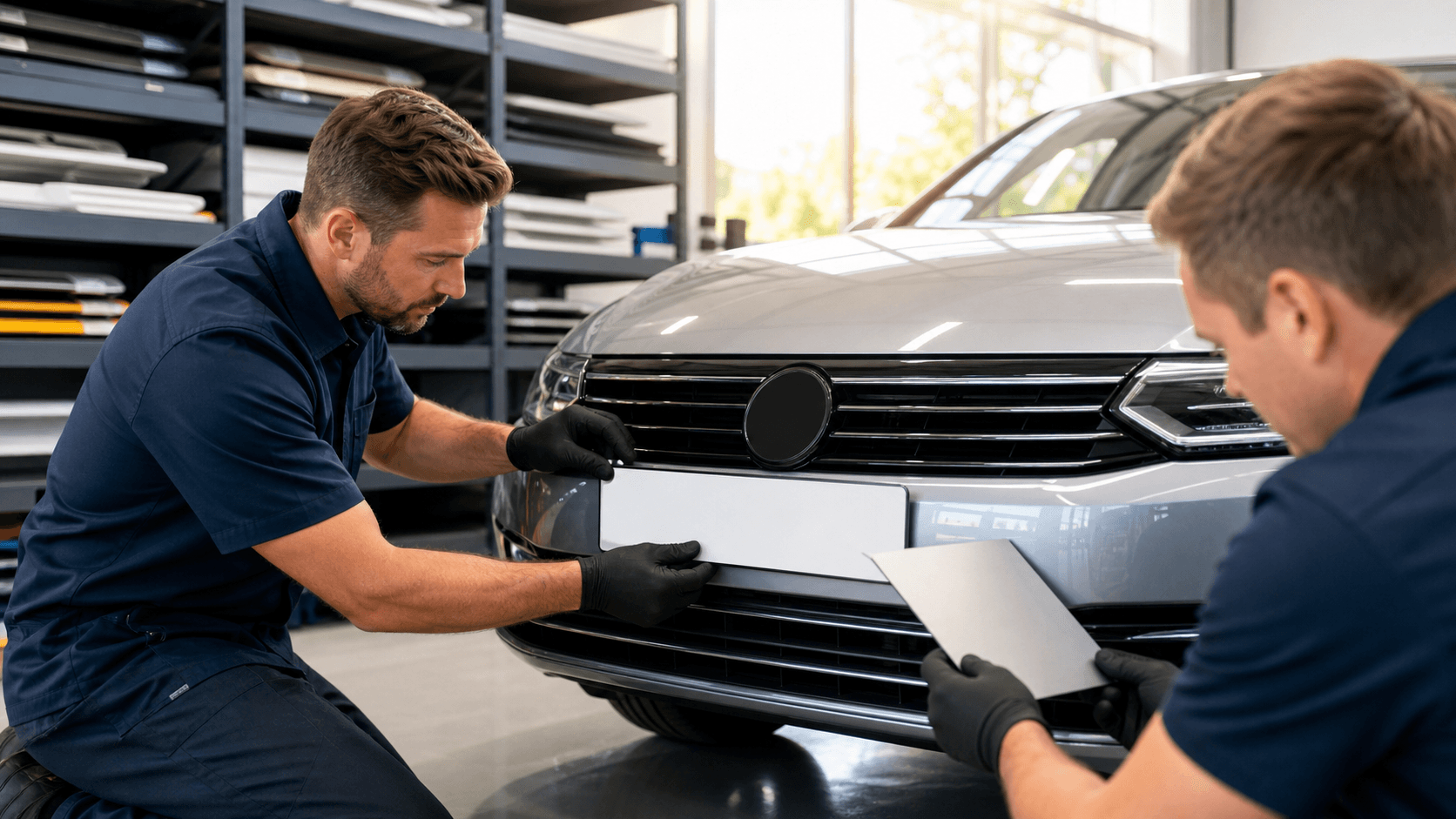
Fitting UK Plates to Awkward Import Recesses
Many Japanese and US imports were never designed for UK plate sizes. You get wide US-style recesses, tall Japanese cut-outs or curved bumpers that do not match standard plate shapes.
Owners usually have a few options:
- Standard plates, carefully positioned even if they overhang the recess slightly
- Shortened plates that are narrower left to right, but still keep legal character size and spacing
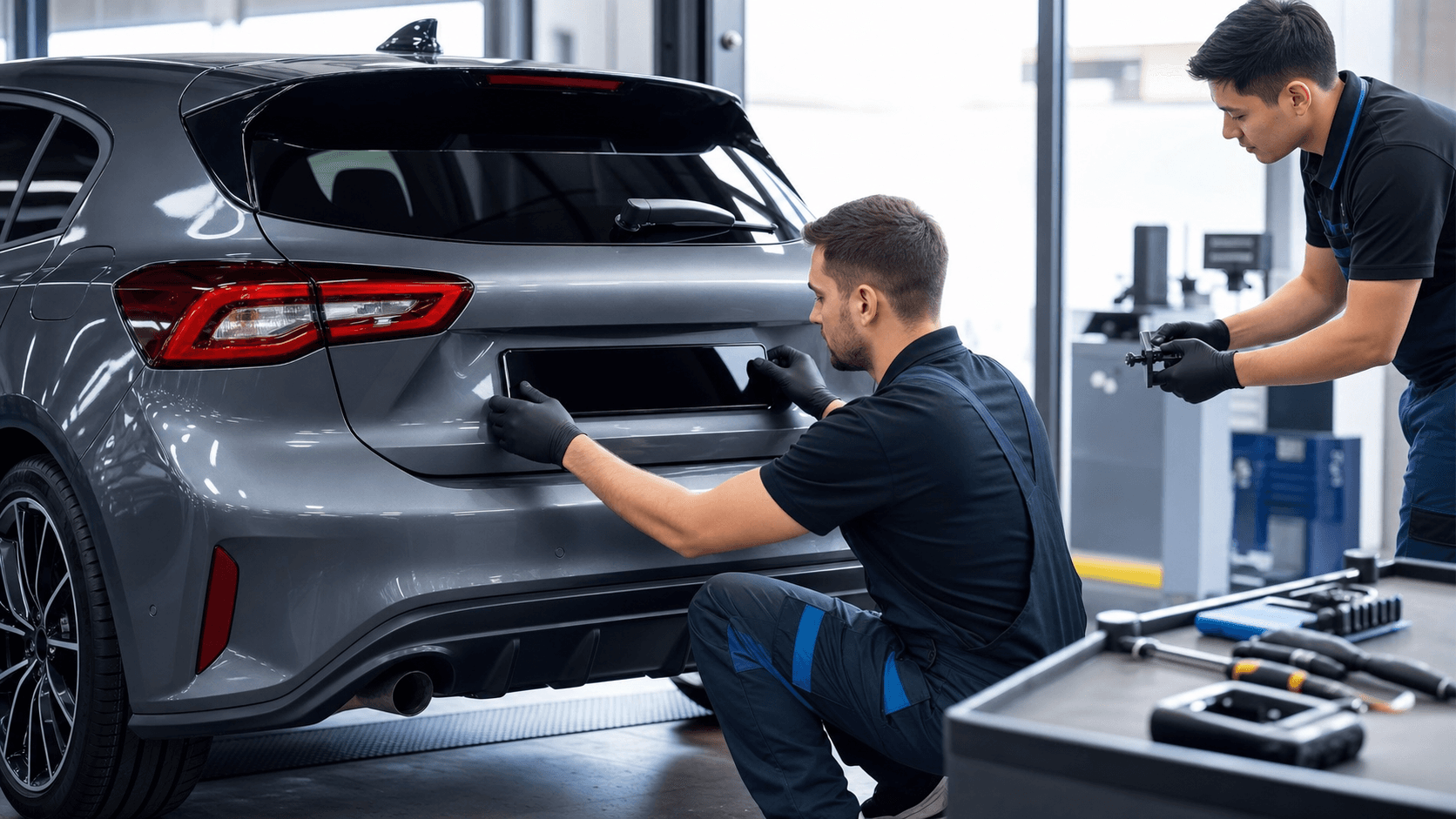
- Square plates on the rear if the recess is clearly meant for that shape
Both front and rear can need different approaches. The front often needs more creativity because of grille shapes and air flow, while the rear tends to offer a clearer mounting spot.
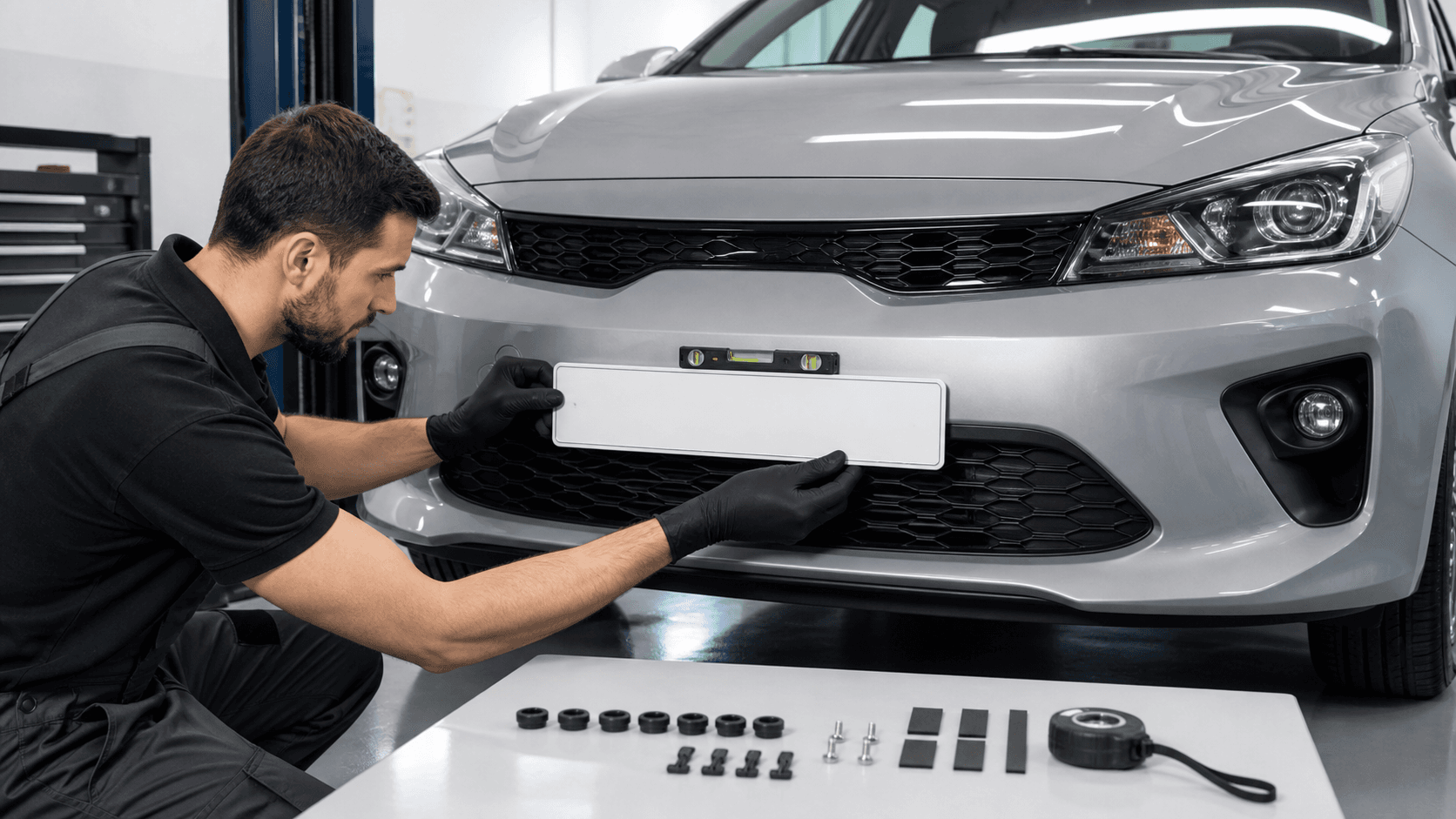
Fitting tips many import owners follow:
- Use proper brackets or backing plates where possible, to spread load and protect the bumper
- Choose good quality adhesive pads if you want to avoid drilling, but make sure the surface is clean and dry
- If you do use screws, line them up neatly and avoid cracking rare or brittle plastic
Getting the mounting right not only looks better, it also helps the plate sit flat so it can be read clearly.
Balancing Road-Legal Plates and Show Plates
Import owners often want two things at once: fully legal plates for the daily drive and more adventurous styles for meets, shows and photos.
It helps to understand the difference:
- Road-legal plates meet DVLA rules on size, colour, font and layout, and are the ones you actually use on public roads.
- Show plates are for off-road use only, such as track days, private events or static displays.
People with imports sometimes swap plates depending on where the car is:
- Legal plates for commuting, road trips and MOT tests
- Show plates fitted temporarily at events, then removed again before heading home
Popular styling touches on imports include:
- Gel characters for more depth
- 4D characters that stand proud of the plate face
- Tinted backgrounds or borders
Some of these are fine within certain limits, others push past what DVLA allows for road use. It is important to keep a clear line in your mind between what is legal on the street and what is just for off-road or display use.
How South West Number Plates Supports Import Owners
At South West Number Plates in Bristol, we work with a lot of imported vehicles, from compact JDM hatches to larger performance models. We focus on plates that look smart and stand up to real-world use, while still keeping to the legal rules where needed.
When import owners order with us, the process usually covers:
- Choosing a layout that suits the registration mark and the car's style
- Sizing options that make sense for odd recesses while keeping legal character dimensions where required
- Picking materials and finishes that match how the car is used, like daily driving, track use or show display
We also help owners understand which setups are fully road-legal and which are better kept as show plates only. That way, you can enjoy the look you want without guessing what might pass an MOT or attract attention from the police.
Thanks to online ordering and fast production, import owners around the UK can get plates ready in good time for road trips, meets and show season. With a bit of planning, your imported car can run plates that fit cleanly, meet the rules and still suit the character of the car.
Upgrade Your Imported Car With Road-Legal Plates Today
If you are ready to give your imported vehicle a compliant and high-quality finish, we can help at South West Number Plates. Order your bespoke import car number plates with fast turnaround and UK road-legal standards built in. If you have any questions about fitment or legal requirements, simply contact us and we will guide you through your options.